19 May 2026
UK Offshore Gambling Stakes Climb Sharply as Regulations Drive Activity Overseas
 Research from the Betting and Gaming Council shows offshore gambling stakes have more than tripled since 2019 and now sit near £17 billion each year, a shift that has unfolded as UK rules on licensed operators grew stricter and more players moved toward unlicensed sites. The figures come from detailed tracking of black market activity and highlight how tighter domestic standards have redirected spending away from regulated platforms. Data indicates this expansion began accelerating after a series of policy updates that raised compliance costs for UK-licensed firms, while offshore operators faced fewer barriers to accepting British customers. Observers note that stakes in these unlicensed channels rose steadily through 2020 and 2021 before jumping further in subsequent years, reaching levels that now represent a substantial share of overall UK gambling volume.
Regulatory Changes and Market Movement
Stricter UK regulations introduced higher standards for player verification, advertising limits, and stake controls within the licensed sector, yet these same measures appear to have encouraged some activity to migrate offshore. The Betting and Gaming Council report connects the tripling of offshore stakes directly to this regulatory tightening, noting that many operators outside UK oversight continue to accept players without the same restrictions on bonuses or payment methods.
Figures reveal that the annual total approaching £17 billion now exceeds previous estimates by a wide margin, and this growth has occurred even as licensed casinos and betting shops adapted to new rules on affordability checks and deposit limits. Those who track the sector point out that offshore platforms often promote faster transactions and fewer verification steps, which can draw users seeking simpler access.
Consumer Protection and Tax Revenue Implications
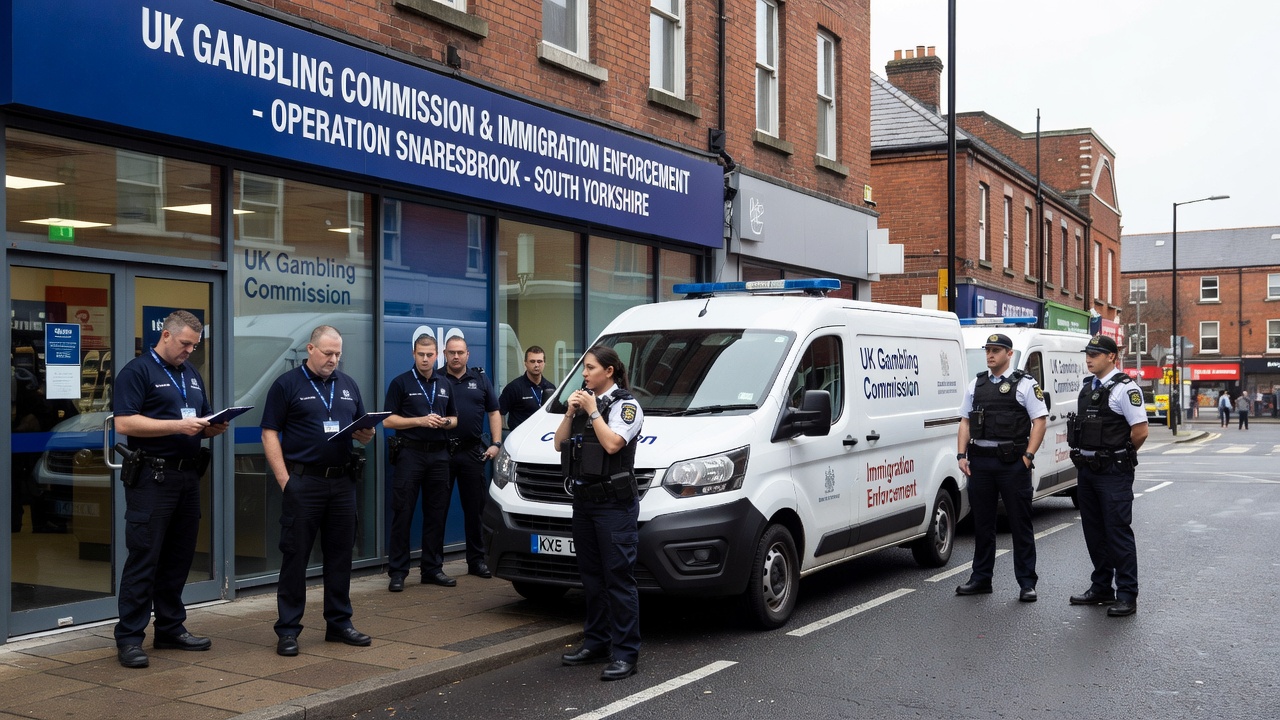
Concerns about consumer protection have grown alongside the offshore surge, since unlicensed operators fall outside the oversight of the UK Gambling Commission and lack the mandatory tools for identifying problem gambling patterns. Research on UK black market betting volume shows that players using these sites miss out on self-exclusion registers and dispute resolution services that licensed operators must provide.
Lost tax revenue presents another measurable impact, because offshore stakes generate no UK betting duties or corporation tax contributions, whereas licensed operators pay these levies on their domestic activity. The Betting and Gaming Council estimates place the annual shortfall in the hundreds of millions, and this gap has widened in step with the rise in offshore volume since 2019.
What's interesting is how the pattern has persisted into 2025, with early indicators suggesting the trend could extend through May 2026 unless additional enforcement measures target unlicensed sites directly. Analysts tracking payment flows report that many offshore platforms still accept UK cards and e-wallets without triggering the blocks that some banks have attempted to implement.
Industry Response and Ongoing Monitoring
Licensed operators have responded by emphasizing their compliance credentials and urging greater action against illegal sites, while the Betting and Gaming Council continues to publish updated estimates every few months. These updates show consistent growth in offshore activity even after the introduction of the new statutory levy on licensed gambling that took effect in recent years.
People working in the sector often highlight that consumer awareness campaigns have had limited reach, leaving many users unaware of the differences between regulated and unregulated platforms. Data shows that offshore sites frequently appear high in search results for popular games, which can make them seem like legitimate alternatives despite operating beyond UK jurisdiction.
Yet the report stops short of attributing the entire increase to regulation alone, instead noting that broader digital adoption and changing player habits have also played roles. Offshore operators have invested in mobile-friendly interfaces and rapid payout systems that appeal to users accustomed to instant app-based services.
Conclusion
The Betting and Gaming Council findings establish that offshore gambling stakes have more than tripled since 2019 and now approach £17 billion annually, a development tied to stricter UK rules and the resulting shift toward unlicensed operators. This movement carries documented effects on consumer safeguards and tax collections, and current monitoring suggests the pattern remains active heading into 2026. Continued data collection from payment providers and industry bodies will determine whether enforcement efforts can reverse the direction of these flows.