1 Aug 2026
Mapping the Progress of Security Verification in Britain's Mobile Gaming Ecosystems
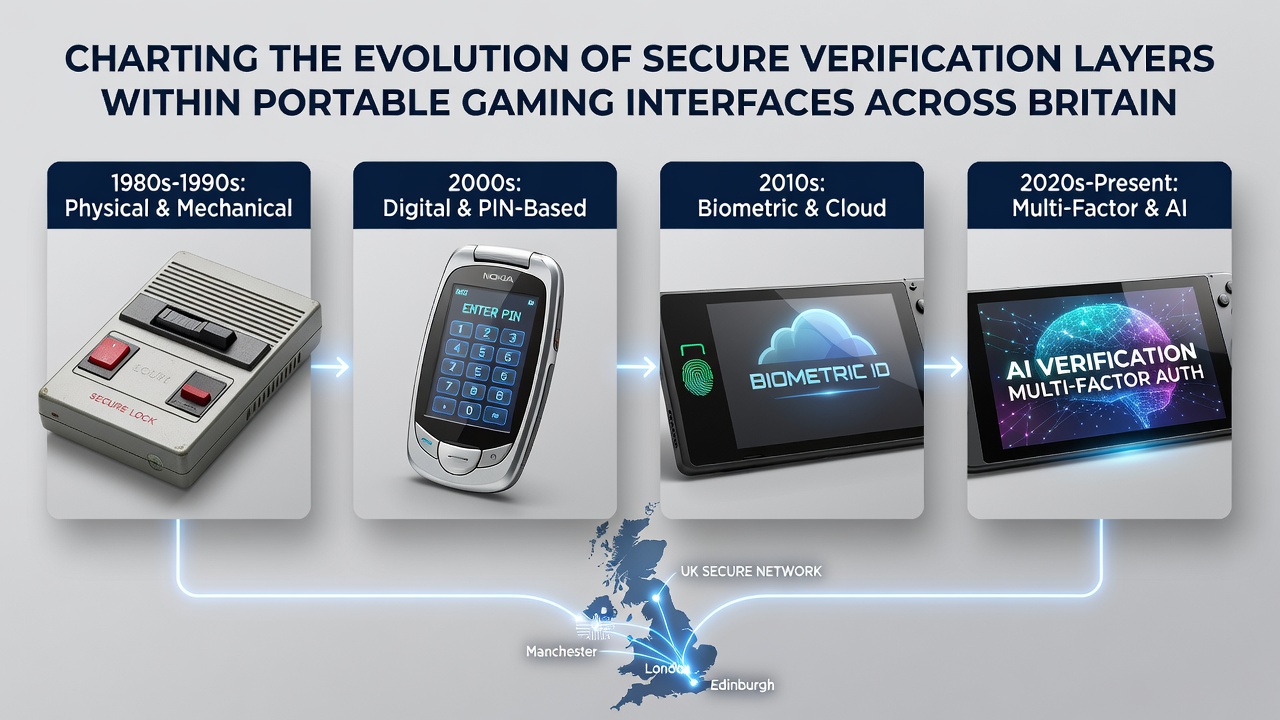
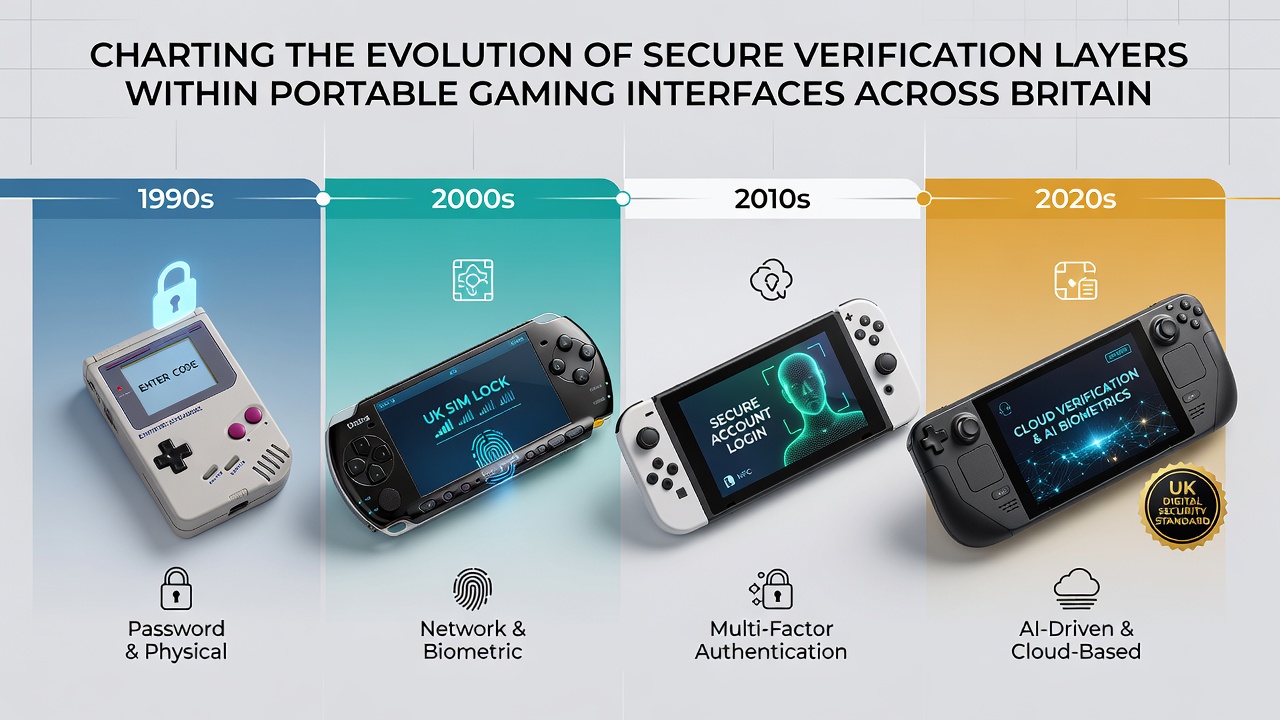
Secure verification layers in portable gaming interfaces across Britain have developed through multiple stages since the early days of smartphone adoption, with systems moving from basic password entry to layered protocols that combine device biometrics, real-time identity matching, and encrypted data transmission. Data from industry reports shows that mobile gaming platforms began incorporating two-factor authentication around 2012, driven by rising user numbers and regulatory expectations for safer access.
Early Foundations in Mobile Access Controls
Initial verification relied on simple account creation processes that required email confirmation, yet these methods quickly proved insufficient as device theft and unauthorized logins increased. Observers note that developers responded by integrating SMS-based codes, which added a second check but still left gaps when phones were compromised. Research indicates the shift accelerated after 2015 when portable interfaces started supporting fingerprint sensors on mainstream handsets, allowing apps to replace typed passwords with biometric scans that reduced friction while raising security standards.
By 2018, facial recognition features appeared in several gaming applications, and studies found these tools cut account takeover incidents by measurable margins compared with earlier SMS systems. Companies adopted these changes because device manufacturers like Apple and Samsung standardized the hardware, making it easier for gaming platforms to leverage existing phone capabilities without building separate infrastructure.
Integration of Advanced Identity Protocols
Verification evolved further when developers began linking accounts to official identity documents through secure APIs, a step that addressed age and residency requirements without storing sensitive data directly on devices. According to figures from European digital identity frameworks, standardized eIDAS protocols influenced British implementations by providing templates for cross-border recognition that local platforms adapted for domestic use. This approach allowed verification to occur in seconds rather than minutes, and developers combined it with behavioral analytics that flagged unusual login patterns in real time.
August 2026 marks a notable point where several British platforms rolled out open banking-linked checks that confirm user details through bank records rather than manual uploads. Those who've tracked these updates report that the method improves accuracy because it pulls verified financial information while limiting the amount of personal data retained by gaming services. Industry organizations such as the iGaming Research Association have documented similar patterns in other markets, showing how Britain aligned its practices with broader technological trends.
Encryption and Data Handling Developments
Encryption standards also advanced alongside verification methods, with applications moving from basic TLS to end-to-end protocols that protect information even during transmission between portable devices and central servers. Researchers discovered that multi-party computation techniques, introduced around 2020, allowed platforms to verify identities without exposing raw data, a change that addressed privacy concerns while meeting operational needs. Observers note that these layers now operate in the background, so users experience seamless access once initial setup completes.
Portable interfaces further incorporated device attestation checks that confirm an app runs on genuine hardware rather than emulators or modified systems, reducing risks from cloned environments. Data shows this addition became standard after 2023 when security incidents involving virtual devices rose across multiple sectors, prompting gaming developers to follow suit.
Current State and Ongoing Adjustments
Today's systems combine the accumulated layers into unified dashboards where users manage preferences for biometrics, document checks, and behavioral monitoring from one location. Evidence suggests that British platforms continue testing AI-driven anomaly detection that learns individual usage patterns without requiring constant manual input. The process remains dynamic because new device models introduce fresh hardware options, and verification providers must update their software to maintain compatibility.
Conclusion
The progression of secure verification within Britain's portable gaming interfaces reflects steady adaptation to technological capabilities and user expectations, resulting in layered systems that prioritize both protection and convenience. Continued refinement appears likely as hardware evolves and new verification methods emerge from research institutions worldwide.