21 May 2026
Licensing Regulations Boost Variety Across Britain's Mobile Casino Games
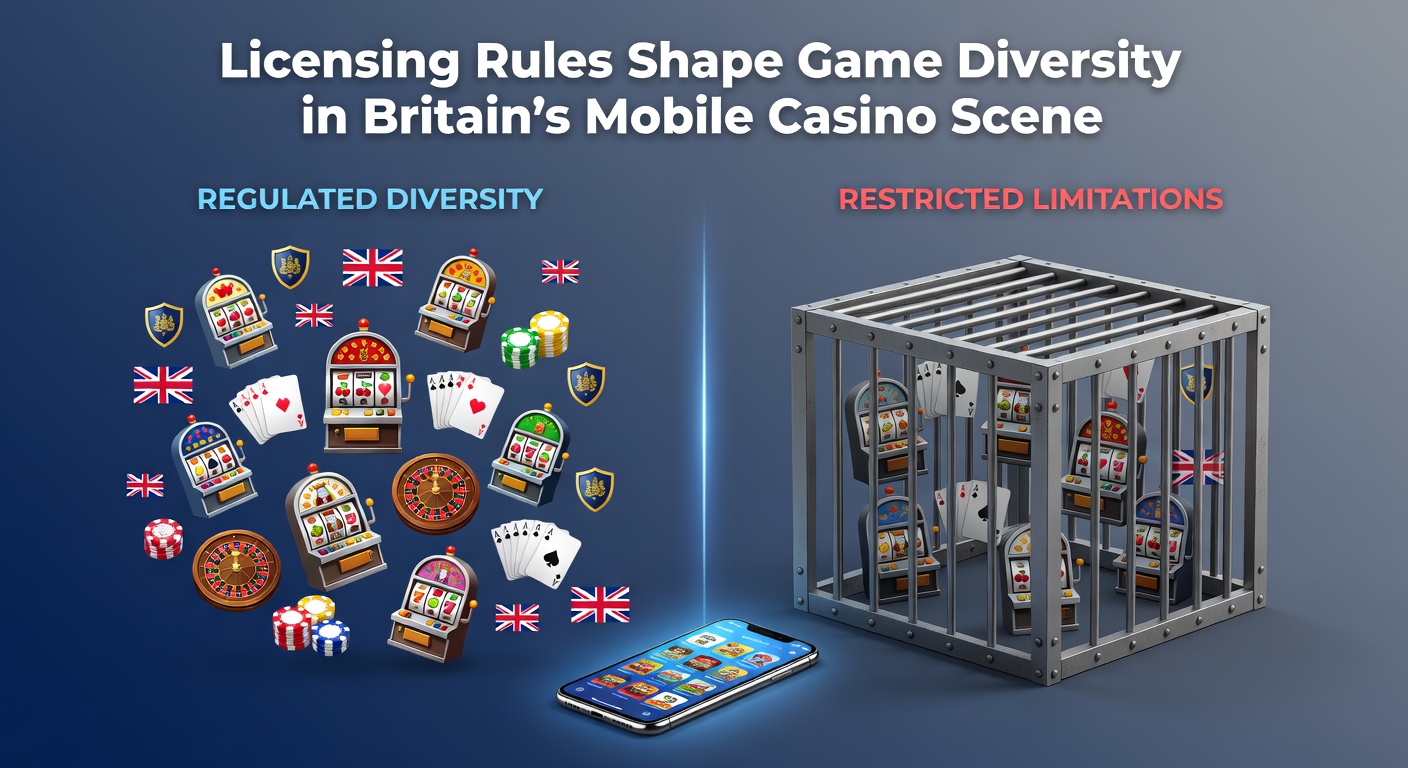
Britain's approach to licensing mobile casino operations has created clear pathways for operators who meet detailed compliance standards, and those pathways directly influence which games reach players' devices. Regulatory bodies set requirements around game testing, provider approvals and payout fairness, so only certain titles make it through the filters while others remain unavailable until they satisfy the same benchmarks.
How Licensing Criteria Have Evolved
Early mobile gaming rules focused mainly on basic security and age verification, yet later updates introduced stricter testing protocols for random number generators and player protection tools. These changes encouraged software studios to develop a wider range of certified games rather than concentrating on a narrow selection of proven formats. Observers note that the shift produced measurable growth in available categories, particularly in live dealer formats and progressive jackpot titles that previously faced longer approval timelines.
By May 2026 fresh compliance modules had been rolled out, and several established studios responded by submitting expanded portfolios that included culturally themed slots and hybrid table games. The result was an increase in titles that combine traditional mechanics with new visual layers, all while staying within the same licensing envelope.
Approved Providers and Game Supply Chains
Operators must source games from studios that hold active supplier licences, and each title undergoes independent audits before it appears in a British-facing app. This process limits duplication and pushes developers toward original mechanics that still meet technical specifications. Data from industry reports shows that studios with multiple certified products tend to dominate download charts, while smaller developers gain traction only after securing the necessary approvals.
One study released by researchers at the University of Nevada Reno examined similar licensing models and found that markets with centralised game certification lists experienced higher genre diversity within two years of implementation. Britain follows a comparable structure, so the same pattern appears in app store rankings where users encounter both high-volatility slots and low-stakes casual games side by side.
Effects on Specific Game Categories
Slots represent the largest share of available content, and licensing rules have shaped their features through mandatory disclosure of return-to-player percentages and volatility ratings. Developers now routinely publish these figures during the approval stage, which allows operators to curate balanced libraries that appeal to different player preferences. Table games follow a parallel track, with blackjack and roulette variants required to demonstrate consistent shuffle algorithms and dealer behaviour standards.
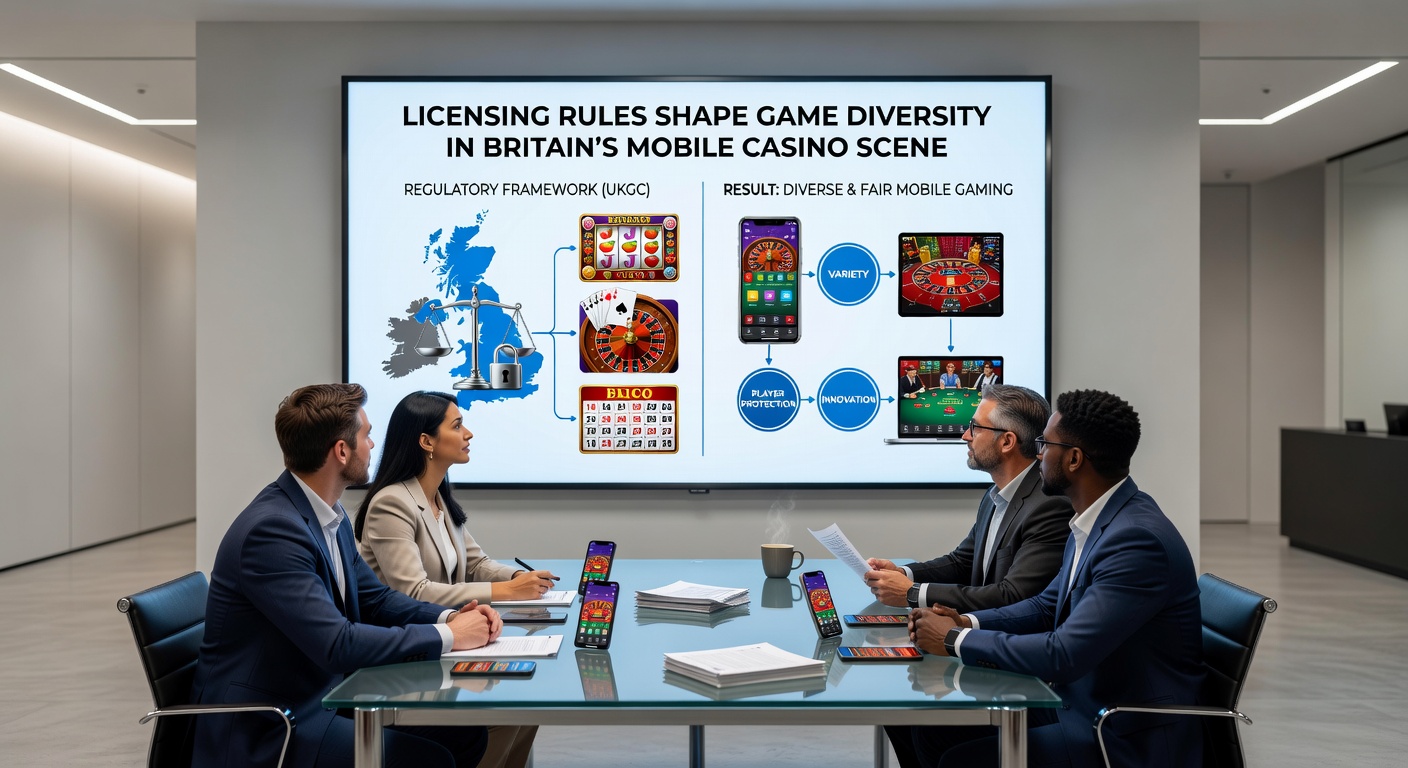
Live dealer offerings have grown because licensing frameworks now accommodate remote studio setups that meet the same fairness criteria as land-based tables. Providers who equip their studios with approved camera systems and real-time monitoring receive faster clearance, leading to more tables operating during peak hours. The expanded capacity has translated into additional language options and themed environments that differentiate one operator's lobby from another.
Regional Comparisons and Broader Trends
Other jurisdictions offer useful reference points. Figures published by the Australian Gambling Research Centre indicate that markets with transparent supplier registers maintain steadier growth in new game releases compared with regions that rely on case-by-case evaluations. European operators, meanwhile, have adopted cross-border recognition agreements that allow games certified in one country to enter another market more quickly once local licensing conditions are satisfied.
British apps reflect these international influences because many studios develop titles for multiple regions simultaneously. When a game clears British licensing first, it often becomes the template for subsequent versions released elsewhere, which accelerates overall content turnover and keeps libraries feeling fresh without requiring constant re-certification.
Player Access and Discovery Patterns
Search and recommendation systems within licensed apps tend to surface games that have passed the most recent compliance checks, so players encounter a rotating selection that still satisfies regulatory benchmarks. This mechanism reduces the risk of outdated or non-compliant titles lingering in catalogues and supports steady introduction of new mechanics such as bonus buy features or cluster-pay formats once they receive clearance.
Those who track download trends report that apps maintaining a broad spread of certified genres retain users longer than those focused on a single category. The pattern holds across both iOS and Android platforms, suggesting that licensing rules indirectly shape not only what games exist but also how operators organise them for maximum visibility.
Conclusion
Licensing frameworks in Britain continue to function as gatekeepers that balance innovation with consumer safeguards. The rules determine which providers can supply games, which technical standards each title must meet, and ultimately which options appear on players' screens. As requirements evolve and new certification modules come into force, the range of available content expands in measurable ways while remaining anchored to the same core principles of fairness and transparency.