2 Jul 2026
DCMS Releases Consultation Response on Gambling Regulator's Financial Support
 The Department for Culture, Media and Sport has issued its formal response to a public consultation that examined how the Gambling Commission secures its operational funding, and this development comes at a time when regulatory demands continue to evolve across the sector. The consultation itself ran from January through March 2026, gathering input on proposals designed to adjust fee structures for both corporate operators and individuals holding personal licences. According to the published outcome, the measures aim to align income more closely with the costs of delivering core regulatory activities, including licensing, compliance monitoring, and enforcement work. Observers note that the response document sets out a series of targeted increases rather than wholesale restructuring, which allows the Commission to maintain its existing framework while addressing shortfalls in cost recovery. One clear element involves personal licences, where a uniform 25 percent uplift has been proposed across relevant categories. This adjustment applies to the fees paid by individuals who occupy key positions within licensed gambling businesses, and it forms part of a broader package that also covers operator licence fees. The changes remain subject to secondary legislation before they can take effect, with the current timetable pointing toward implementation on 1 October 2026.
Background to the Consultation Process
The consultation period allowed stakeholders to submit views on whether the existing fee model continued to provide adequate resources for the regulator's expanding responsibilities. Data collected during those months revealed that current charges fell short of full cost recovery in several operational areas, prompting the Department to explore measured revisions. Those who've examined similar regulatory funding reviews in other sectors often find that incremental fee adjustments help avoid sudden financial pressures on the entities being regulated, and this case follows that established pattern.
Figures released alongside the response indicate that operator licence fees will rise according to a tiered structure that reflects the scale and nature of each licence type. Personal licence holders, meanwhile, face the flat 25 percent increase already mentioned, which simplifies administration while ensuring the Commission can sustain its oversight of responsible individuals. The response emphasises that these revisions support ongoing work in areas such as consumer protection, anti-money laundering checks, and the maintenance of fair operating standards across licensed premises and online platforms.
Key Elements of the Proposed Fee Adjustments
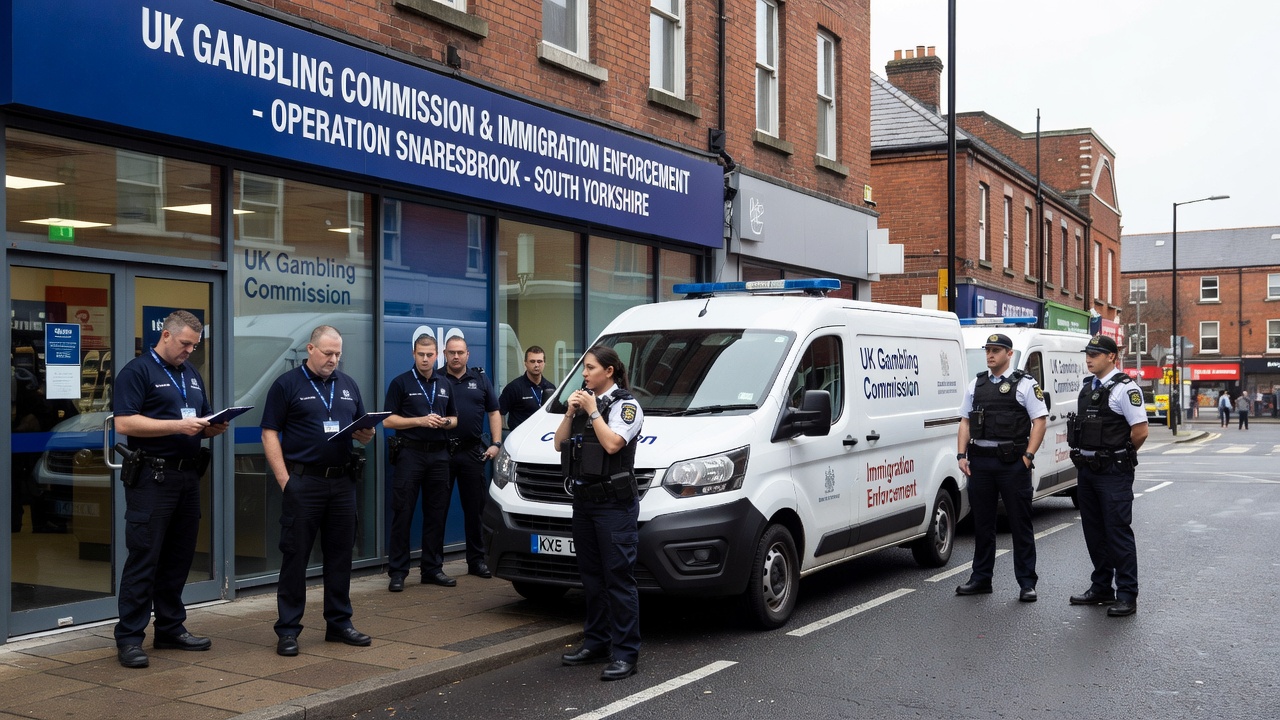
Under teh outlined plans, fees for operators will be recalibrated to reflect both the volume of activity they undertake and the regulatory effort required to monitor that activity. This approach avoids a one-size-fits-all model and instead recognises differences between large-scale operators and smaller entities. Personal licences, which cover roles such as compliance managers and key decision-makers, receive the straightforward percentage uplift, a choice that streamlines the process for applicants and renewals alike.
The response document also clarifies the timeline for any further steps, noting that secondary legislation must pass through the necessary parliamentary procedures before the new rates become active. Current expectations place this activation on 1 October 2026, giving affected parties several months to prepare their financial planning. Those responsible for licence applications or renewals after that date will encounter the revised charges, while existing licences will transition according to their renewal cycles.
What's significant is how the adjustments tie directly to the Commission's statutory duties rather than introducing new revenue streams for unrelated purposes. The funding supports day-to-day functions such as processing applications, conducting inspections, investigating complaints, and developing guidance that helps operators meet their obligations. Research into regulatory effectiveness shows that stable funding correlates with consistent enforcement, and the Department's response positions these fee changes as a means of preserving that stability.
Implications for Licence Holders and the Regulatory Landscape
Operators and individuals holding personal licences will need to factor the revised fees into their operational budgets ahead of the October 2026 implementation date. The response makes clear that the increases aim to close the gap between costs incurred and fees collected, without altering the fundamental scope of regulation. Those who've followed previous funding consultations in the gambling sector note that similar adjustments have historically been accompanied by guidance on transitional arrangements, and the current response follows this precedent by signalling a clear effective date.
The link to the full consultation outcome appears on the gov.uk consultation page, where interested parties can review the detailed breakdown of proposed rates and the rationale behind each category. This transparency allows licence holders to assess the precise impact on their specific circumstances well before the changes take effect.
In July 2026, attention among regulatory watchers remains focused on the remaining procedural steps required for secondary legislation. The response document itself does not speculate on parliamentary timing but instead confines its statements to the expected operational date of 1 October 2026. This measured approach leaves room for any unforeseen delays while providing a firm planning horizon for those directly affected.
Conclusion
The DCMS response to the 2026 consultation represents a targeted update to the Gambling Commission's funding model, centred on fee increases that include a flat 25 percent rise for personal licences. These revisions seek to improve cost recovery and sustain regulatory functions, subject to secondary legislation and scheduled for 1 October 2026. The process has followed established consultation protocols, allowing stakeholder input before final proposals were confirmed, and the resulting document supplies the information needed for affected parties to prepare accordingly. Observers continue to monitor the legislative pathway that will determine when the new fee structure formally applies across the licensed gambling sector.